Liam O'Connor
2025 Laureate

Architect Liam O’Connor has been selected as the 2025 laureate of the Richard H. Driehaus Prize at the University of Notre Dame. The jury acknowledged his lifelong dedication to the design of a body of excellent new traditional public and private buildings and civic monuments — works projecting grace and beauty and expressing the shared emotions and cultural expectations of their audiences.
O’Connor’s war memorials, in particular, set his work apart for this year’s jury. The memorials are skillfully integrated into their urban or rural settings, with their landscape, fine art and construction details uniquely and thoughtfully developed in each case. Poetically charged, rationally disposed and emotionally laden, they are precisely sited, composed and constructed as statements of public admiration for the idea that freedom exists at all because of heroism and personal sacrifice for the common good, according to the jury citation.
Jury Citation
The highest such integration of design, construction and symbolism is exemplified in his classical British Normandy Memorial that overlooks Gold Beach. The project is located adjacent to one of the five D-Day landing beaches during World War II. The memorial was inaugurated on June 6, 2021, 77 years after the 1944 landings, and commemorates the 22,442 British service personnel who sacrificed their lives there in the struggle to liberate Europe. The names of the fallen are carved into the structure’s 160 limestone Doric columns.
For this project, O’Connor orchestrated a masterplan for 60 acres of land and designed several structures to be eventually built from 3,500 tons of Burgundy limestone and hundreds of sustainably felled oak trees. Such was his commitment to this work that after its construction was halted during the coronavirus pandemic, he took on the task himself while directing 500 craftsmen and craftswomen.
Typical of O’Connor’s architecture is its enrichment by symbolic elements that add highly contemporary and personal dimensions to his interpretation of classicism. For the RAF Bomber Command Memorial in Hyde Park Corner in London, his reuse of riveted metal from downed aircraft to construct the central Doric pavilion’s roof memorializes the modern war machines central to these heroic aviators’ glory and demise.
The merit of his private and commercial projects, where new construction blends into existing urban settings, in elegant and inventive designs that offer users and onlookers the gift of beautiful everyday places to be.
Other Laureates
-
2026
John Simpson
-

2025
Liam O'Connor
-

2024
Peter Pennoyer
-
2023
Ben Pentreath
-
2022
Rob Krier
-

2021
Sebastian Treese
-
2020
Ong-ard Satrabhandhu
-
2019
Maurice Culot
-
-
2017
Robert Adam
-
2016
Scott Merrill
-

2015
David M. Schwarz
-

2014
Pier Carlo Bontempi
-
2013
Thomas H. Beeby
-
2012
Michael Graves
-

2011
Robert A.M. Stern
-

-
2009
Abdel-Wahed El-Wakil
-

-
-
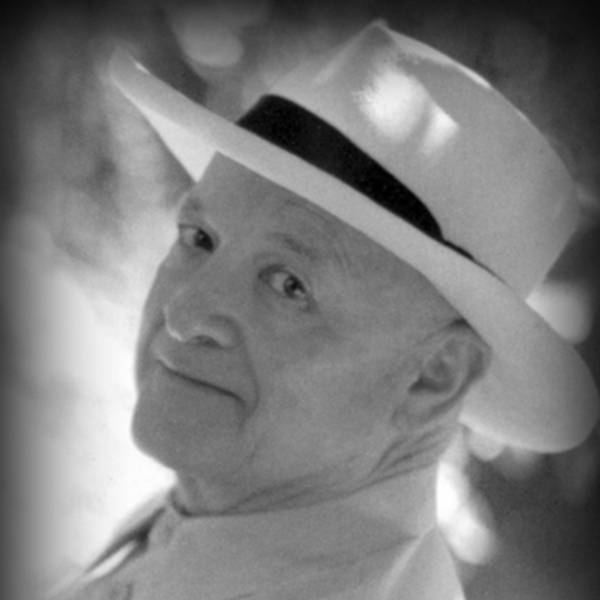
2006
Allan Greenberg
-
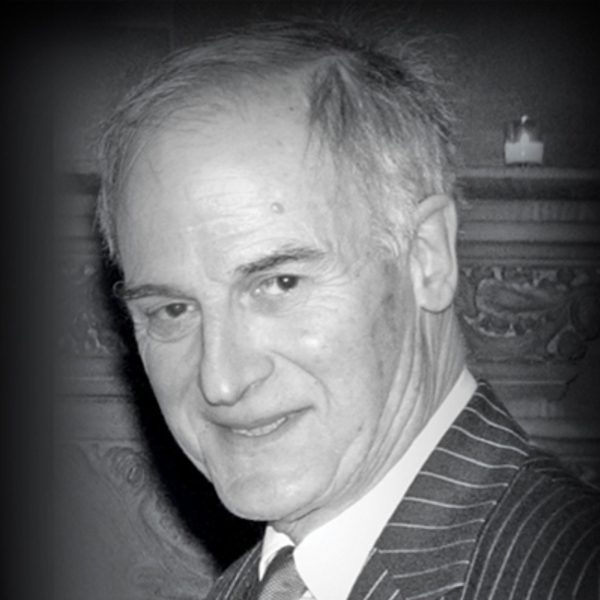
2005
Quinlan Terry
-
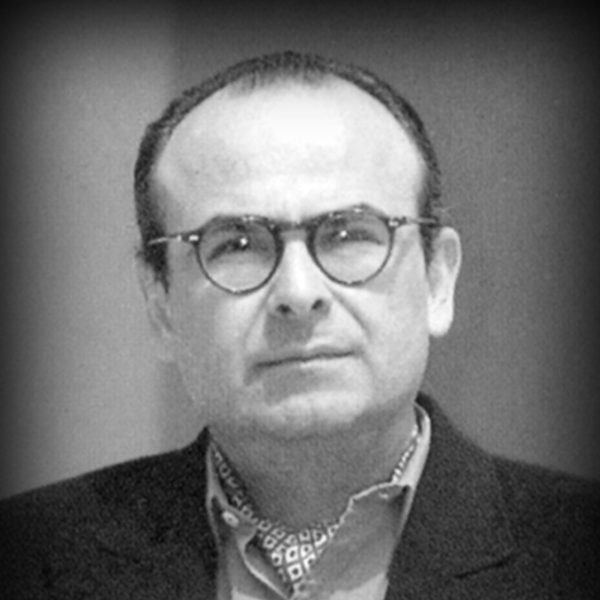
2004
Demetri Porphyrios
-
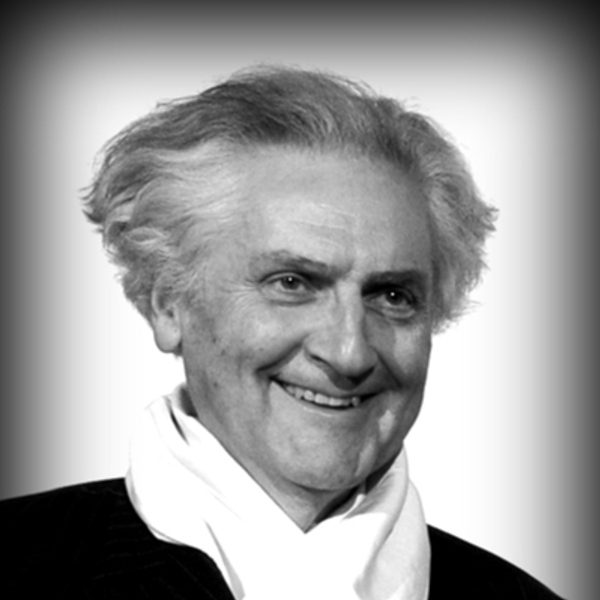
2003
Léon Krier