John Simpson
2026 Laureate
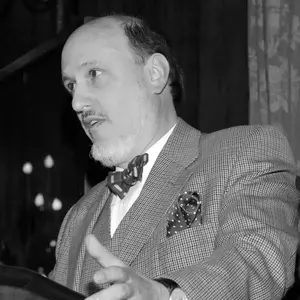
In honor of his life-long dedication to and outstanding achievements in traditional urbanism and architecture, the 2026 laureate of the Richard H. Driehaus Prize at the University of Notre Dame is awarded to architect John Simpson from the United Kingdom.
As early as 1990, the Paternoster Square development competition in London presented an opportunity for Simpson to publicly engage in advocating for a new Traditional Architecture and Urbanism. His inspiring leadership in gathering a distinguished group of his peers to address what was then a major civic challenge was clearly noticed. In the end the project was realized with a different vision, it highlighted an emerging, new and constructive approach to urban regeneration and cemented his influence as one of the earliest proponents of modern classicism. His approach found success in many future projects and cemented his influence as one of the earliest proponents of modern classicism.
His work since then has been extensive and deeply influential. It has unfolded through commissions private, public and institutional, each executed with a keen eye for a balance between precedent based composition, place-appropriate siting and a focus on durability of construction.
Jury Citation
John Simpson’s commitment to exploring the generative dimensions of tradition has led to a career of exploring architectural design across a broad range of expressions. While thoughtfully contextual with respect to local character and scale, his work also stands as a testament to the multiple building cultures that make up all traditions and offers solutions to the critical need for variety and uniqueness of place facing the built environment everywhere in the world. Chief among his projects deserving praise are the King’s Gallery at Buckingham Palace, his many projects at Poundbury for the Duchy of Cornwall, the DMRC Rehabilitation Facility at Stanford Hall, his educational projects at Eton, Oxford and Cambridge, the Royal College of Music in London, and the School of Architecture at the University of Notre Dame.
The jury also noted his long interest in teaching. He has done so informally over the years through his practice, where his often didactic architecture conveys respect to precedent, tectonic quality, and programmatic purpose. And then over the years formally, by teaching at the Prince’s Foundation, the University of Buckingham, and most recently at Cambridge University at the Center for the Study of Classical Architecture He is also a fellow at Gonville and Caius College, Cambridge.
“John Simpson has long maintained that traditional forms are environmentally sound and contribute to the sense of local identity. His work amply illustrates that the practice of traditional urbanism and architecture does indeed facilitate the bonds of community by encouraging people of all kinds to share a common, living culture of building and to avail themselves of the opportunity to identify with, live and flourish in its distinctive presence,” said Stefanos Polyzoides, Professor and Dean of the School of Architecture at the University of Notre Dame and Driehaus Jury Chair.
Other Laureates
-
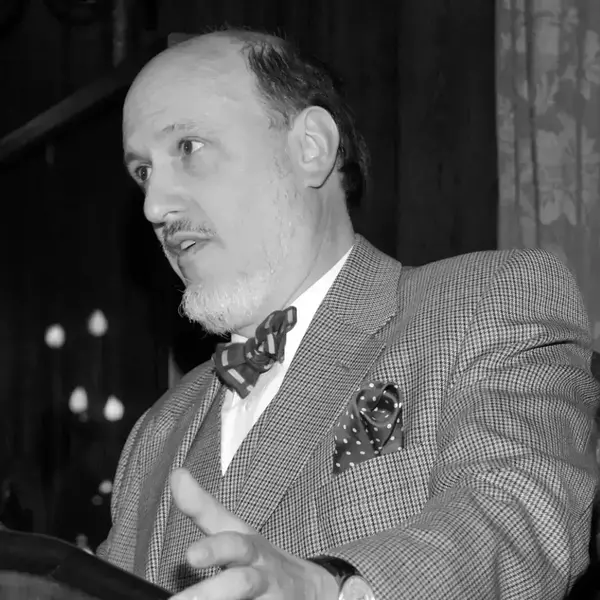
2026
John Simpson
-

2025
Liam O'Connor
-

2024
Peter Pennoyer
-
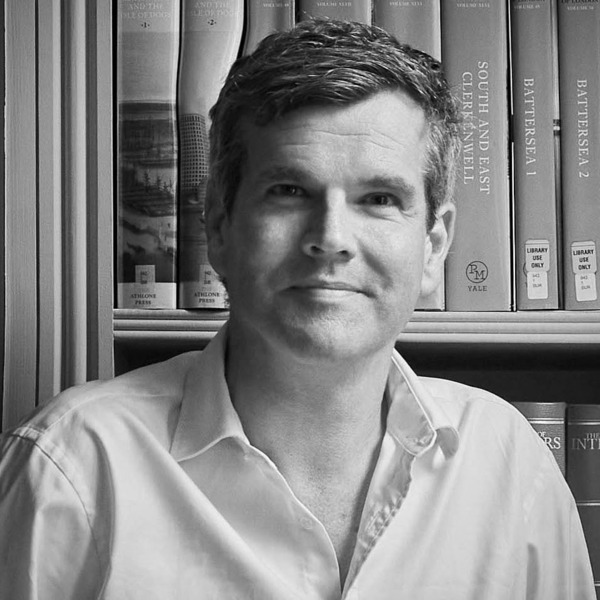
2023
Ben Pentreath
-
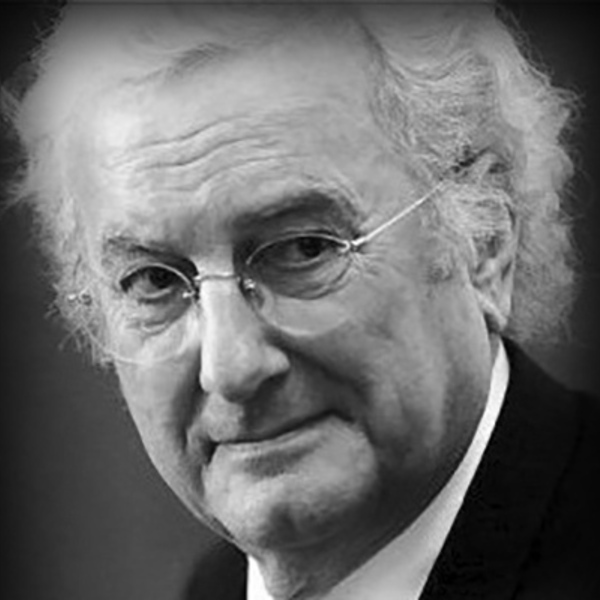
2022
Rob Krier
-

2021
Sebastian Treese
-
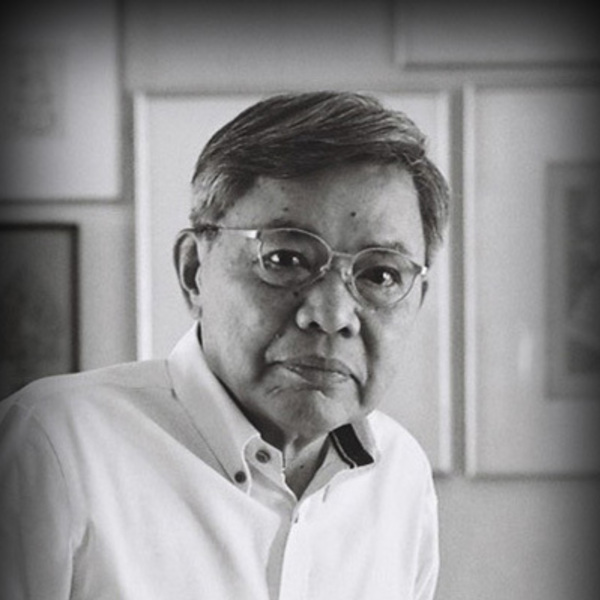
2020
Ong-ard Satrabhandhu
-
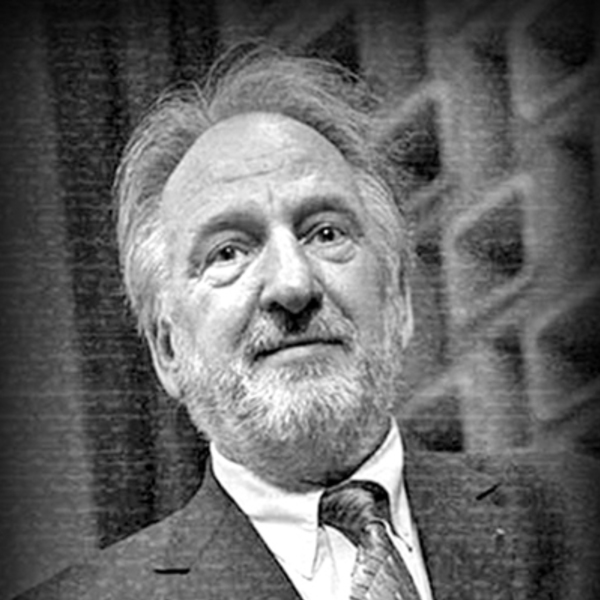
2019
Maurice Culot
-
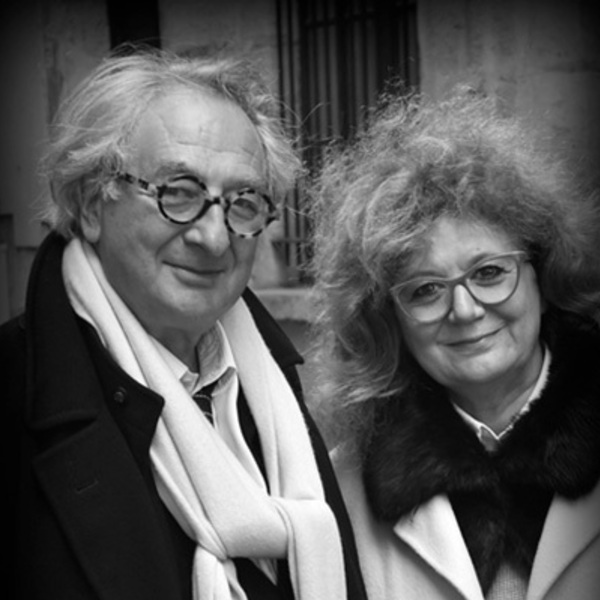
-
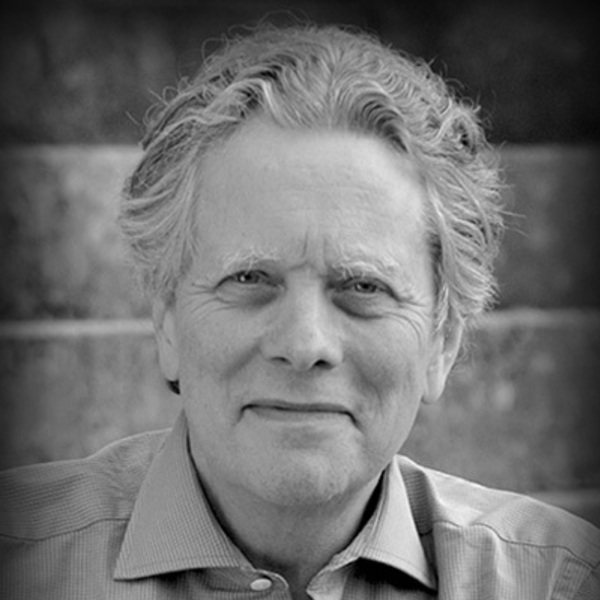
2017
Robert Adam
-
2016
Scott Merrill
-
2015
David M. Schwarz
-
2014
Pier Carlo Bontempi
-
2013
Thomas H. Beeby
-
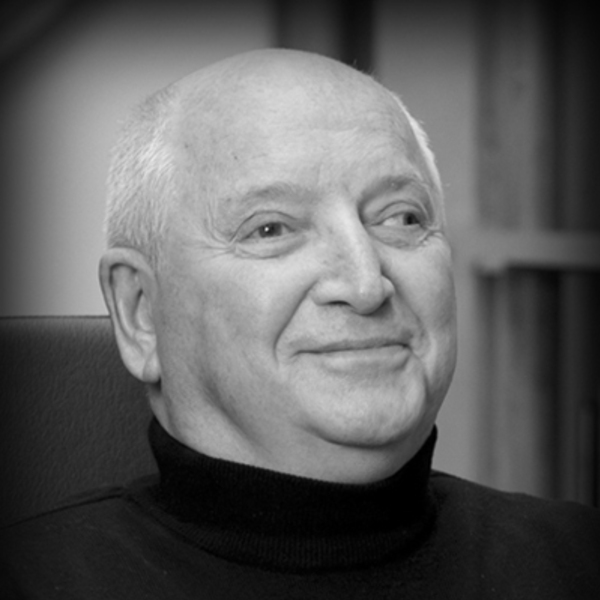
2012
Michael Graves
-
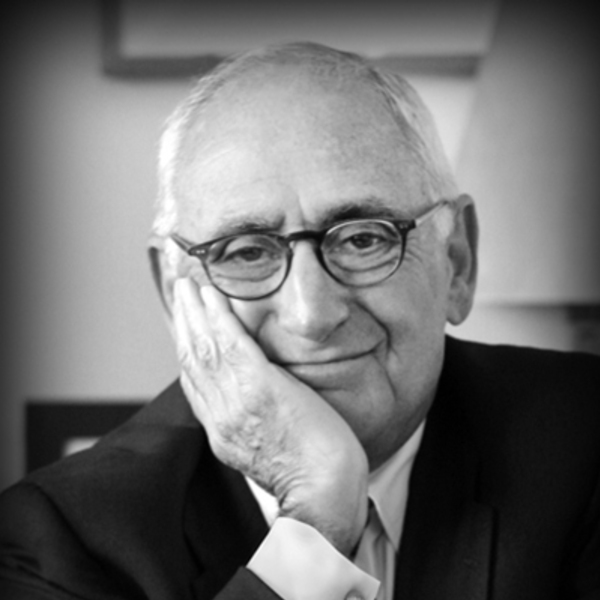
2011
Robert A.M. Stern
-
-
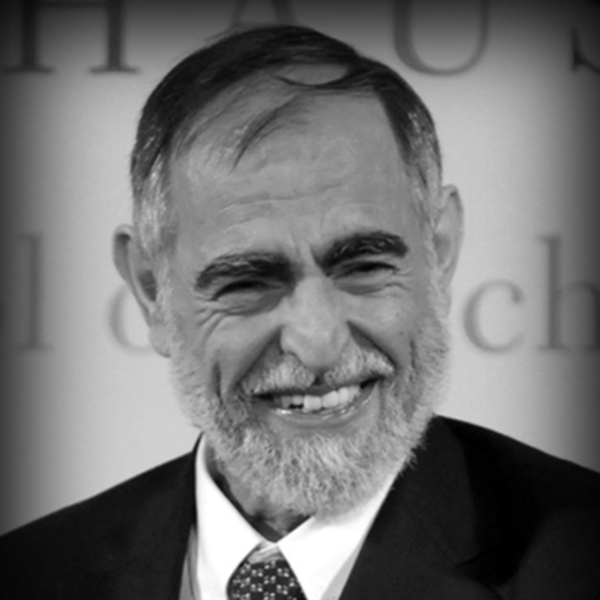
2009
Abdel-Wahed El-Wakil
-
-
-
2006
Allan Greenberg
-
2005
Quinlan Terry
-
2004
Demetri Porphyrios
-
2003
Léon Krier